Call us: +91-958-687-8283 Mail us: gizapumps@gmail.com


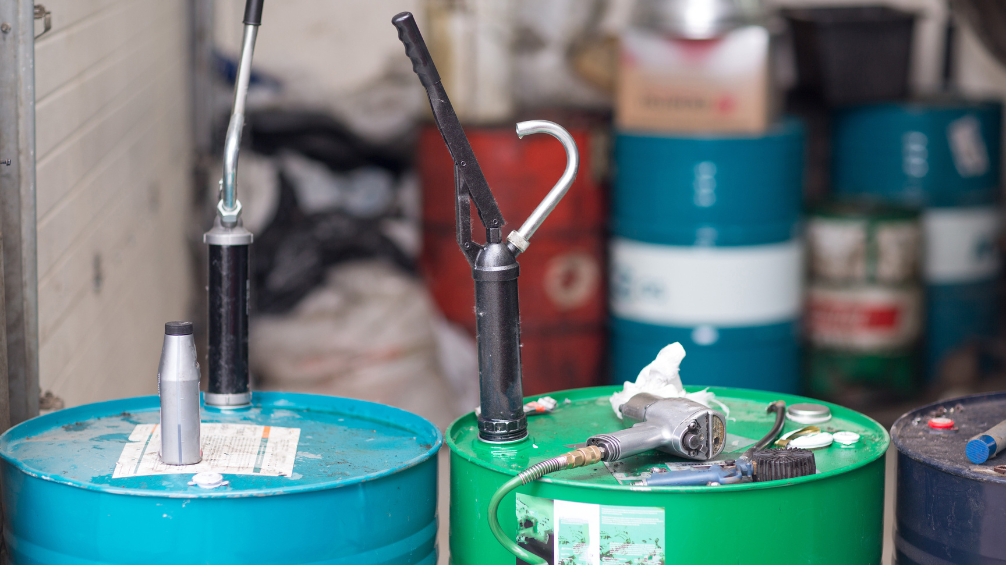
Many industrial applications depend heavily on fluid transfer. As a businessperson, you must deal with fluids like oils, chemicals, water, and other types. Selecting the most appropriate pumps becomes a necessity in such cases. Two of the most commonly used drum pumps across various industrial sectors are electric drum pumps and manual drum pumps. It is vital to learn the difference between the two so that you can make informed decisions, also it is important to select the right electric and manual drum pump manufacturer in India.
This blog will talk all about electric drum pumps and manual drum pumps, and the basic difference between the two.
Manual Drum Pumps
These pumps require manual labour to function. They make use of hand-lever, piston, and rotary mechanisms. They are simple and easy to install and work well with low volume liquids.
Electric Drum Pumps
These pumps are battery powered and use an electric motor for functioning. They offer fast and consistent results, especially in industrial settings where speed and accuracy are paramount.
Also known s electric barrel pumps, electric drum pumps provide faster pumping solutions. Based on the model, they can deliver significantly higher transfer rates. Depending on the model, they can move anywhere from 20 to 100 liters per minute, making them the perfect choice for transferring high-volume liquid. They offer consistent and smooth pumping solutions.
Ideal For:
Manual Pumps
Manual pumps, as the name suggests, are slower and rely greatly on human effort. For this reason, they work well with low-volume liquids. They work well in industries where there are no time restraints. They can transfer from 5 to 20 litres of fluid per minute.
Ideal For:
Ease of Use
Electric pumps minimise manual labour up to a great extent. With just a button push, the user can transfer a large volume of fluid. These pumps are an excellent choice for industries requiring multiple fluid handling processes.
Manual Pumps
Continuous manual labour makes manual pumps the second choice for businesses. Long hours of tiring work can result in inefficiency and slow operations. This is why these pumps are not suitable for handling large volumes of liquid. Long hours of work can result in fatigue and inefficiency.
Modern electric barrel pumps can handle a wide range of fluids. They are a good choice for the following.
Manual pumps work well for non-viscous, non-corrosive liquids such as:
Electric pumps minimise spill risks up to a great extent. It comes with built in features like overload protection, flame-proof options and sealed designs- contributing greatly to workplace safety, specially in tough working environments like chemical industries. They require careful handling, especially in explosive working areas.
Manual Pumps
Manual pumps do not pose electrical risks and are safe to use, but it has some demerits too. Since they involve human efforts, fatigue becomes a common problem, especially in settings where repeated fluid transfer takes place.
The price of Electric drum pumps is higher because of their motor and machine complexity. However, since they provide efficient business solutions, they provide a high ROI in the long run. When regularly maintained, they function well for a long time.
Manual Pumps
Manual pumps come at lower prices, are simple and good for small-scale solutions. affordable, simple, and economical for small-scale operations. They require low maintenance and replacement is not expensive.
When to Choose Which Type of Pump?
Select an Electric Drum Pump When:
Choose a Manual Drum Pump If:
Both types of pumps- electric and manual have their strengths, and the right choice should be based on the nature of the business. Giza- a leading electric drum pump manufacturer in India offers various types of pumps based on your business needs. Understand the workflow, types of fluids you work with and long-term costs.
If you want to know more about electric pumps. Manual pump or any type of pumps for your business, connect with us today.
Giza pumps are easy to use, quick to install, and designed to deliver reliable performance in everyday use.