Call us: +91-958-687-8283 Mail us: gizapumps@gmail.com


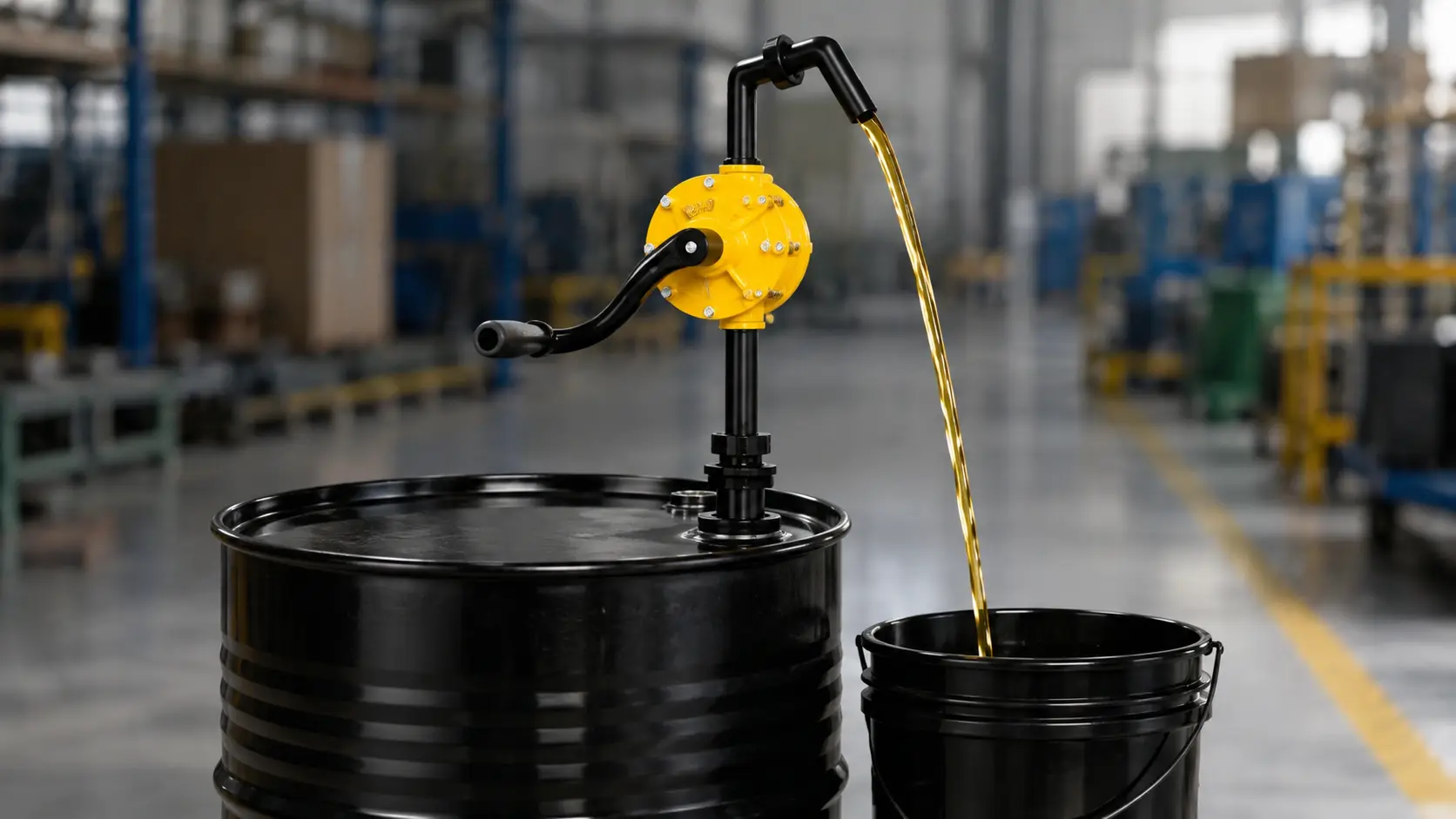
The universal headache in every industrial facility is to move liquids safely from point A to point B without spilling, wasting or contaminating the liquid. In 2026, manual transfer seems like a risky shambles. It's time Industrial Fluid Handling gets a serious upgrade. A Barrel Pump eliminates guess work when moving liquids, easy to use and safe, with no mess or spills from the drum. Heavy barrels won't need to be tilted or lost due to spills. When a small change in equipment makes a huge impact on the floor, it's a significant improvement in efficiency, safety, and consistency for chemical, oil, or lubricant manufacturing operations.
For bulk liquids, there is a requirement for equipment that can move liquids without interrupting the process. A Barrel Pump is just for that; it is designed to take the liquid directly from the drums, containers and storage barrels with the least amount of effort. An Industrial Barrel Pump maintains control, consistency and substantially reduces the stress on workers on the floor compared to manual pouring or lifting. It is the Liquid Transfer Pump of choice for companies in the chemicals, oils, food processing and manufacturing industries, just because it saves product loss and shortens transfer time. It is not only convenient, but also contributes more to workplace safety, by helping to prevent spills, exposure to harmful chemicals, and unnecessary strain on human muscles and bones. This is why barrel pumps are not just a tool in the toolbox, but a practical, every day solution that really enhances the flow of liquids in an industrial system.
What is Barrel Pump? It is basically a small machine used to extract liquid from a barrel or drum without human intervention of tilting or pouring. The Barrel Pump Working mechanism is quite simple, a tube is pushed into the container and a fluid is pumped up through the barrel by a motor or by hand turning. These consist of the pump tube, motor unit and discharge hose. This system is perfect for the safe use of oils, chemicals, lubricants, and solvents.
Traditional liquid transfer techniques have significant issues – manual pouring involves spills, heavy lifting increases injury potential and additional labour slows down liquid transfer. They are also outdated practices, and pose contamination issues particularly from chemical and solvent usage. So industries are making the change to smarter Industrial Fluid Handling Solutions. Modern Fluid Transfer Equipment reduces human error, accelerates daily operations and maintains the safety standards everywhere.
Everyone who has had to pull on a drum that is too heavy knows how hard it is, and that's what barrel pumps are designed to help with. Here is the real look at the Barrel Pump Benefits that truly make a difference on the floor.
A well-designed Liquid Transfer Pump does not only transfer liquid quickly, it transfers liquid correctly. Steady flow rates are important because there are no sudden bursts or unexpected drips, only steady and predictable dispensing. This type of Barrel Pump Efficiency is most important in industries where any measurement variation can end up ruining an entire batch or process.
It doesn't take much to make a difference, particularly for expensive industrial liquids. A Leak-Free Barrel Pump guarantees fluid flow without any overflow or unwanted drip, maintaining a clean and controlled process. Such an Industrial Liquid Transfer system aids in reducing loss of product, spillage, or careless handling of materials that would be wasted.
If the transfer of liquids is seamless, then the flow downstream also speeds up. An Industrial Barrel Pump can significantly reduce manual effort, and so teams can dedicate more time to production tasks and less to repetitive work.Whether it's oils, chemicals, or solvents, solid Industrial Pump Solutions adapt to whatever liquid your operation runs on.
It doesn't need to be just one setup for all operations and it is precisely for this reason that knowing the different types of barrel pump options available is crucial before purchasing.
For low volume transfer jobs that are cost-effective, use a Manual Barrel Pump. It's lightweight and portable, making it easy to move from job site to job site or out of the way when not being used. Simple to use by hand when you need a quick and occasional liquid transfer without any complicated set up.
A Rotary Barrel Pump provides a smoother and consistent flow due to the rotation of the pump, reducing the need for repetitive transfer tasks. It is strong enough to be used with thicker fluids such as oils and lubricants and easy-to-use on the floor.
An Electric Barrel Pump is designed for high volume, continuous working applications where speed and automation are most crucial. It's automatic and repeatable, no manual work needed. Perfect for facilities that have multiple liquid transfers during the day, it can keep your operations going without fatiguing your staff.
The selection of the appropriate Industrial Pump basically depends on how frequently you transfer liquids and what type of liquid you are transferring every day.
Speak with folks from all fields, and you will see the same pump in quite a few surprising locations. The true case of Barrel Pump Applications.
When it comes to corrosive solvents and hazardous solvents, a reliable Chemical Transfer Pump is the key. It provides workers an adequate separation from direct contact, and allows liquids to flow smoothly and accurately. In industries where safety can't be an afterthought, this sort of controlled transfer truly makes a distinction.
The control of fluid movement is crucial in every place from automotive workshops to manufacturing floors. There is an Oil Transfer Pump for thick fluids without the mess and a Lubricant Transfer Pump which helps in ensuring smooth functioning of machinery. These two combined make daily operations faster and significantly less physical stress to workers on-site.
Reliable pumps from a great Industrial Pump Manufacturer are used in the manufacturing sites to process liquids throughout the manufacturing and maintenance. This is to maintain a continuous flow of the day's work whilst providing safe and accurate fluid transfer without the unnecessary delay on the floor.
Knowing what to expect is the best way to avoid the unpleasant surprises that come with an incorrect pump purchase, so here's a quick Barrel Pump Buying Guide to help you avoid such mishaps.
Not all pumps can be used in all liquids wells. A Stainless Steel Barrel Pump is ideal for oils and most industrial fluids, corrosive chemicals require something more robust. This is where a Chemical Resistant Pump can be useful, which is designed to resist the chemical substance and not degrade or contaminate the liquid over time, and is made of polypropylene or PVDF.
The Smart Industrial Pump Selection involves viscosity, quantity and pressure. The thicker the fluid the stronger the motors needed, and the more volume used the faster the flow rate. If the pump is already working on a regular basis, you need to avoid problems with it later in the season by getting the match right now.
If certain tasks can be completed manually and are low volume, there is no need for additional investment in a Manual Barrel Pump. However, if your operation performs a lot of high volume transfers, an Electric Barrel Pump will save a lot of time and physical stress. Basically it depends on your pumping frequency and liquid quantity.
When it’s time for choosing Barrel Pump equipment, it's not that difficult of a choice as long as you know what to keep an eye on. It's not about the fanciest one, but just getting the pump right for your true and everyday needs.
Not all pumps are equal and not all companies who make pumps are equal. Here are the distinguishing features of the good ones.
A barrel pump is used to transfer liquids like oils, chemicals, and lubricants directly from drums or barrels. It eliminates manual pouring, reducing spillage and effort.
A chemical-resistant barrel pump made from polypropylene or PVDF works best for corrosive liquids. Stainless steel pumps suit oils and general industrial fluids instead.
Yes, rotary and electric barrel pumps are well-suited for thicker fluids like oils and lubricants. Their mechanisms ensure smooth, consistent flow without clogging.
Giza Pump offers durable, tested pumps built for real industrial conditions, backed by genuine technical support. Their range covers manual, rotary, and electric options for different needs.
Efficient fluid handling reduces material wastage, prevents workplace accidents, and keeps production running without unnecessary delays. It directly impacts safety, cost, and overall operational output.
When it comes down to it, smooth operations equal the right equipment. A reliable Barrel Pump saves man power, decreases spillage and ensures Industrial Fluid Handling is safe and consistent throughout each shift. If your operation is still using old transfers, it's time for upgrading.
Explore Giza Pump’s range of industrial pumps and find the right solution for your fluid handling needs. Contact Us Now for expert assistance. |
Giza pumps are easy to use, quick to install, and designed to deliver reliable performance in everyday use.