Call us: +91-958-687-8283 Mail us: gizapumps@gmail.com


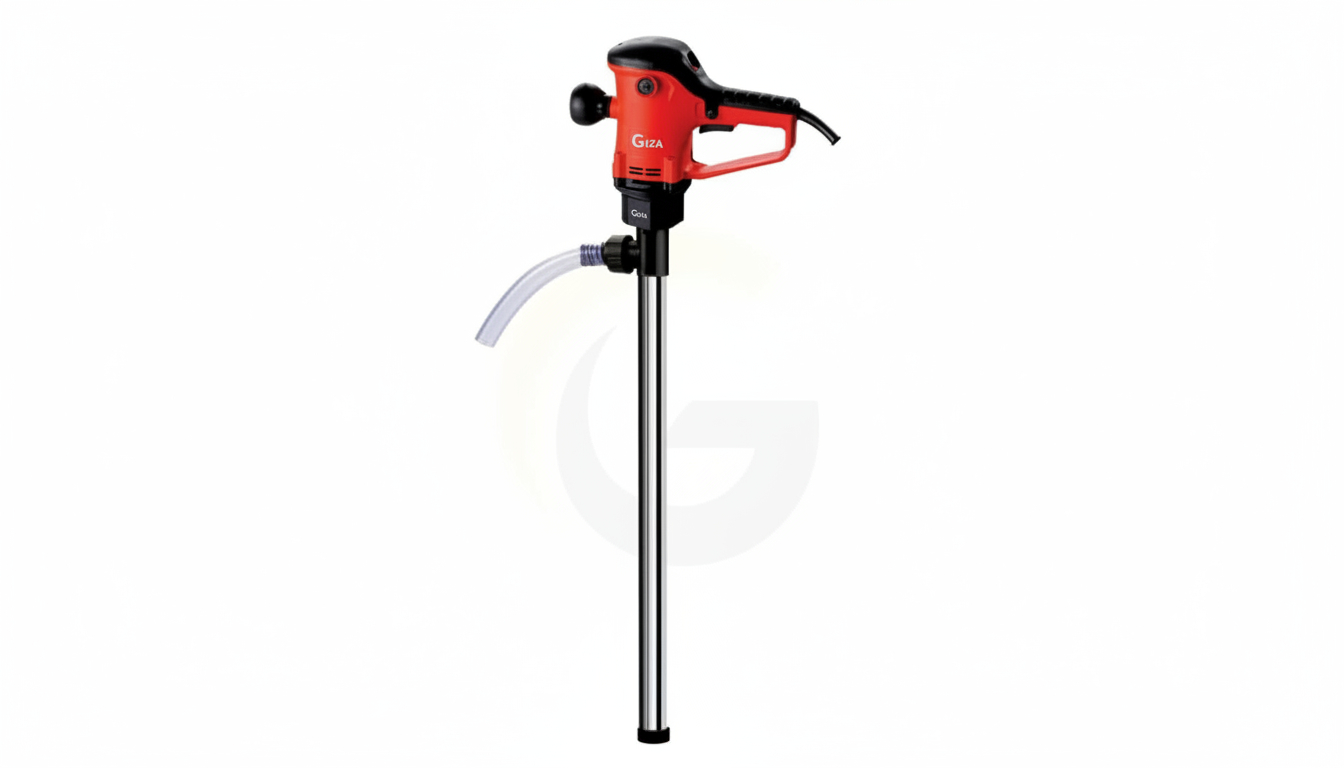
In industries like chemical, food processing, etc., fluids are handled on a daily basis. Drums and barrels are used for handling these fluids on a daily basis. Using the wrong pumping solutions, however, can lead to spillage, safety concerns, contamination, and downtime. Therefore, it is vital to choose the correct drum pump.
Drum pumps are designed for transferring corrosive materials and viscous oils with efficiency, accuracy, and safety from one place to another. This blog will talk about drum pump pipes—their types, factors to consider before choosing them, their applications, and common mistakes to avoid while choosing them.
This liquid transfer device is used to transport liquid from barrels and other types of containers safely. Some of those liquids include oils, solvents, acids, and other industrial fluids. A drum pump is also known as barrel pump and is available in various designs—manual, electric, air-operated, siphon-based, and more. Let us look at them one by one.
Here are some of the types of barrel pumps. One should select the ones that best suit your industrial requirements.
This is a manual pump operated through a rotary mechanism. They are an excellent choice for carrying oils, diesel, and non-corrosive fluids.
These barrel pumps are powered by an electric motor and offer consistent results. They are used when large volumes of fluids are transferred from one place to another.
These barrel pumps use compressed air for functioning rather than electricity. This makes them a safe solution for flammable environments. They are used in the chemical and petrochemical industries. They an also be known as chemical drum pumps.
SS electric gear pumps are durable and carry with them the strength of steel. They can handle viscous fluids effectively. Since they are made up of stainless steel, they can easily be used in the food industries.
These barrel pumps are best suited for oils, lubricants, and industrial fluids. Cast iron pumps offer strength and durability for heavy-duty operations.
PVDF or Electric Drum Pumps are drums that do not react with chemicals and other dangerous fluids, including acids. They are used in chemical manufacturing units.
Siphon pumps offer a cost-effective solution and are used for handling light-duty fluid transfer.
| Drum Pump Type | Power Source | Best For | Key Advantage |
|---|---|---|---|
| Rotary Barrel Pump | Manual | Diesel, light oils | Portable and economical |
| Electric Barrel Pump | Electric | Oils, chemicals | High efficiency |
| Air Operated Barrel Pump | Compressed air | Flammable fluids | Explosion-safe |
| SS Electric Gear Pump | Electric | Viscous, food-grade fluids | Precision pumping |
| Cast Iron Barrel Pump | Manual / Electric | Industrial oils | Durable construction |
| PVDF Electric Drum Pump | Electric | Corrosive chemicals | Chemical resistance |
| Siphon Pump | Manual | Small transfers | Easy to use |
Apart from the price factor, one must also consider the following before investing in drum pumps.
The transferred fluid must be compatible with the fluid that is being transferred. Different materials like SS steel, PP, and PVDF have different purposes than each other.
One must always keep the viscosity of the fluid in mind. Thicker fluids like grease and oil need high-torque pumps, while basic pumps can handle fluids with low viscosity.
There are some fluids that need to be transferred as early as possible. For such types of fluids, high-flow pumps should be used.
When handling flammable liquids, air-operated pumps should be used since they do not react with chemicals.
The length of the pump should easily fit inside the pump.
The drum pumps should have designs that are easy to clean. Also, you must think about the spare parts before investing.
Drum pumps are used for a wide number of industrial applications. Some of them include chemical industries, pharmaceutical industries, food industries, etc.
Some of the key parameters that affect the drum pump price are
When investing in a drum pump, you should take care of the following factors:
Going for incompatible materials can result in corrosion and contamination. Avoid doing that.
Not all pumps are made for handling high-viscosity fluids. These pumps fail when they handle such kinds of fluids.
As talked about before, electric pumps, when used in a hazardous environment, can pose a threat and prove to be dangerous.
Motor power and motor size should be compatible with the drum. Undersized or oversized motors should be avoided at all costs.
A drum pump is used to safely transfer liquids such as chemicals, oils, and industrial fluids from drums or barrels.
PVDF and stainless steel drum pumps are ideal for handling corrosive or aggressive chemicals.
Yes, gear-based and heavy-duty drum pumps are designed to handle high-viscosity fluids efficiently.
Air-operated pumps are safer for flammable and hazardous fluids, as they eliminate electrical spark risks.
Consider drum height, fluid type, viscosity, required flow rate, and application environment.
If you are in the fluid handling business, it becomes paramount to choose the right drum pumps for effective and efficient liquid handling solutions. Understanding the drum types, materials, and mistakes to avoid helps in increasing long-term operational efficiency.
We, at Giza, offer various types of drum pumps, including barrel pumps, siphon pumps, rotary barrel pumps, rotary barrel pumps, and more. Invest in high-quality drum pumps today. Call us now.
Giza pumps are easy to use, quick to install, and designed to deliver reliable performance in everyday use.