Call us: +91-958-687-8283 Mail us: gizapumps@gmail.com


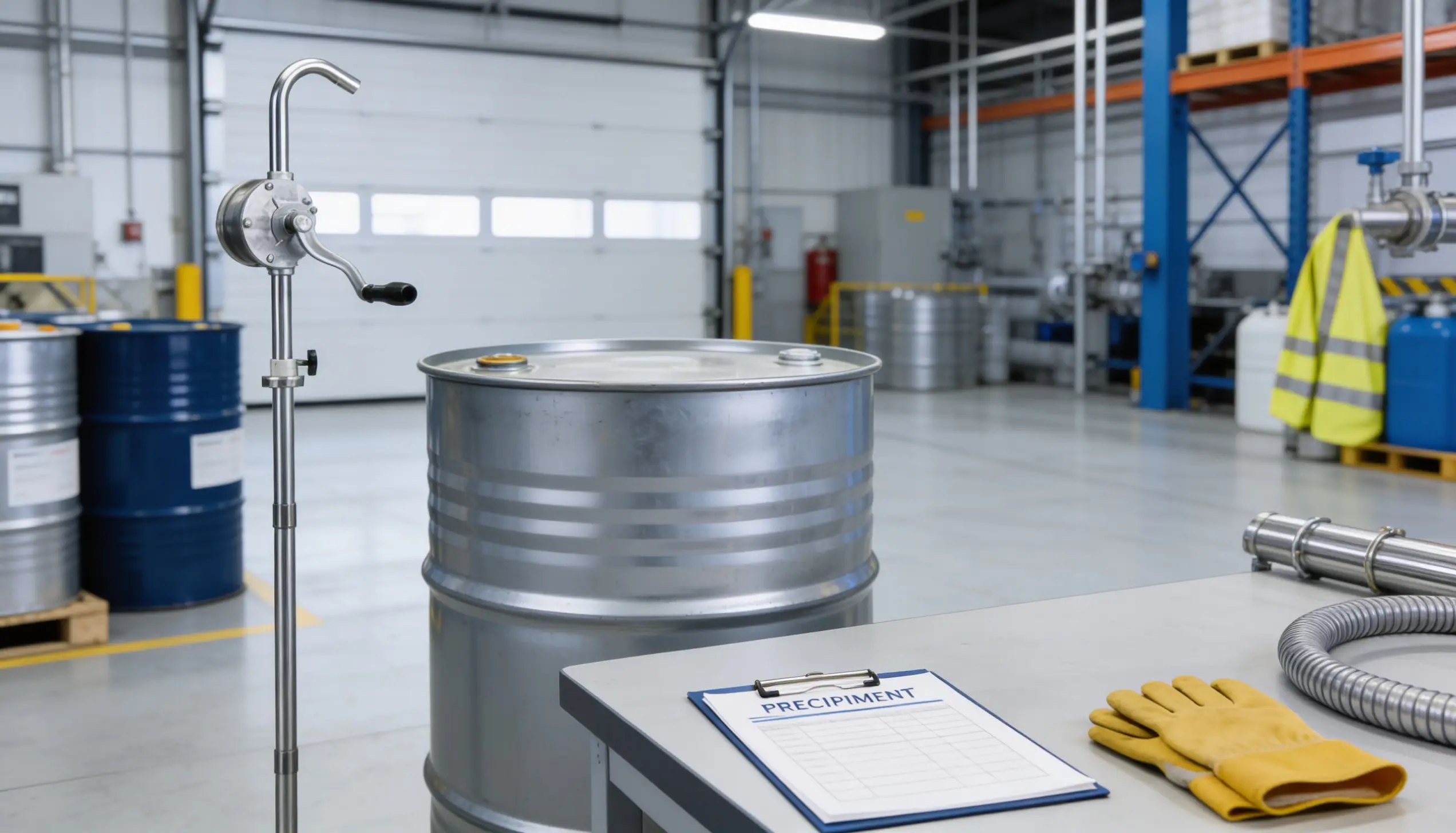
Here is the thing about buying industrial pumps — most of the mistakes happen before the pump ever reaches the floor.
Procurement moves fast. A requirement comes in, three suppliers get called, whoever quotes reasonable and delivers quick gets the order. Simple. Except the chemical pump that looked fine on paper starts corroding in month two. Or the seals give out. Or the vendor stops picking up after the invoice clears.
Nobody budgets for that. But it happens constantly across chemical plants, workshops, and processing units — especially when the evaluation skips the manufacturer entirely and just checks the price.
The industrial pump price is visible upfront. The cost of a bad purchase shows up later. That gap is exactly where this guide is useful.
Buyers are not always pump engineers. They know what fluid needs moving and how fast. The material science behind it — seal grades, body compatibility, rotor clearance — that part gets skipped, or trusted to a catalogue that may not be accurate.
Common mistakes that cost plants later:
Each of these is a real scenario. Not a theoretical risk. Real downtime, real loss.
Giza — part of Swastik Enterprise, based in Shapar, Rajkot — has been manufacturing pumps since 1999. Over two and a half decades. And the product line has grown to cover most industrial fluid transfer needs from one source:
That breadth matters. A plant handling four different fluid types should not need four different industrial pump manufacturers.
The whole point of correct pump selection is this — the material handles the fluid, not the other way around.
A cast iron body corrodes quickly against hydrochloric acid. A PVDF-body chemical pump does not. An SS 304 Rotary Barrel Pump handles oils and lubricants cleanly for years. Put it on a salt-heavy or mildly acidic fluid and you get pitting within months.
Giza builds each variant around its target fluid. The Drum Pump in polypropylene handles non-corrosive solvents. The SS 316L gear variant handles more demanding chemical environments. That design-level matching is what separates a manufacturer from a catalog seller—the product was thought through before it was made.
Before locking in any industrial pump manufacturers shortlist, these are the checkpoints worth slowing down for:
Giza documents all of this. Their repeat order rate is above 90 percent — which reflects what actually happens after delivery, not just what the sales pitch promises.
| Pump Type | Best For | Material | Operation |
|---|---|---|---|
| Rotary Barrel Pump | Oils, lubricants, diesel | SS 304, Cast Iron, PP | Manual / Hand |
| Drum Pump | Solvents, fuels, kerosene | SS 316, Polypropylene | Manual / Electric |
| Chemical Drum Pump | Acids, reagents, solvents | PVDF, PP, SS 316L | Electric / Pneumatic |
| Barrel Pump | Paints, adhesives, industrial fluids | SS 304/316, Cast Iron | Manual / Motorised |
| Chemical Transfer Pump | Pharma, lab, process plants | PVDF, SS 316L, Teflon | Electric with flow control |
These pump types are not abstract categories. Here is where they show up day to day:
Giza has been supplying these environments since 1999. That is not a claim — it is two and a half decades of repeat industrial orders across sectors.
There are many pump manufacturers operating out of Rajkot, Pune, Coimbatore, and Ahmedabad. So what actually sets Giza apart?
Swastik Enterprise Giza Pumps, a leading Manufacturer of industrial pumping solutions in India, was established in 1999 and possesses more than 27+ years of experience. The company specialises in manufacturing a high quality range of rotary barrel pumps, drum pumps and liquid transfer pumps that help industries move fluids smoothly, securely and efficiently. Made of durable construction, Giza Pumps provide years of reliable, leak free service. It serves chemical, automotive, manufacturing and oil handling industries. Emphasized on innovation, quality, customer satisfaction and durability, the company provides efficient energy and lasting pumping solutions to simplify the transfer process of industrial liquid.
Ans: A proper evaluation helps identify material quality, manufacturing standards, spare part availability, and technical support. It reduces downtime risks and ensures the industrial pump performs reliably long-term.
Ans: Select a chemical pump based on fluid compatibility, temperature, flow requirements, and material construction. Matching the pump body and seals to the chemical prevents corrosion and failures.
Ans: Verify material grade, seal type, flow rate, pressure testing records, and spare part support. A quality chemical drum pump should match both fluid properties and operating conditions.
Ans: Not necessarily. Location may improve delivery speed, but product quality, technical expertise, manufacturing capability, and after-sales support matter far more than proximity alone.
Ans: A Rotary Barrel Pump provides simple, reliable fluid transfer for oils, lubricants, and fuels. Its manual operation reduces maintenance requirements while offering consistent performance in industrial environments.
Ans: Focus on correct pump selection, verified material grades, proper maintenance, and dependable manufacturer support. Lower downtime, fewer replacements, and better efficiency reduce overall ownership costs significantly.
Pump failures do not announce themselves at purchase time. A seal that will fail in month three looks identical to one that lasts five years. The only way to know the difference is to check the manufacturer — not the catalogue.
Ask what material grade is actually in the body. Ask how the seal was chosen for the fluid. Ask whether a replacement part ships within two days. These are not difficult questions. Most serious pump manufacturers answer them without hesitation. The ones who stall or redirect — that tells you something too.
Giza by Swastik Enterprise has answered these questions across chemical plants, automotive workshops, pharma lines, and fuel depots for over 27 years. Their industrial pumps range is wide, material-specific, and backed by a track record that speaks without a brochure.
Need the right pump for your application? Connect With Us — our team will match you to the correct variant based on your fluid type and operational setup.
Giza pumps are easy to use, quick to install, and designed to deliver reliable performance in everyday use.