Call us: +91-958-687-8283 Mail us: gizapumps@gmail.com


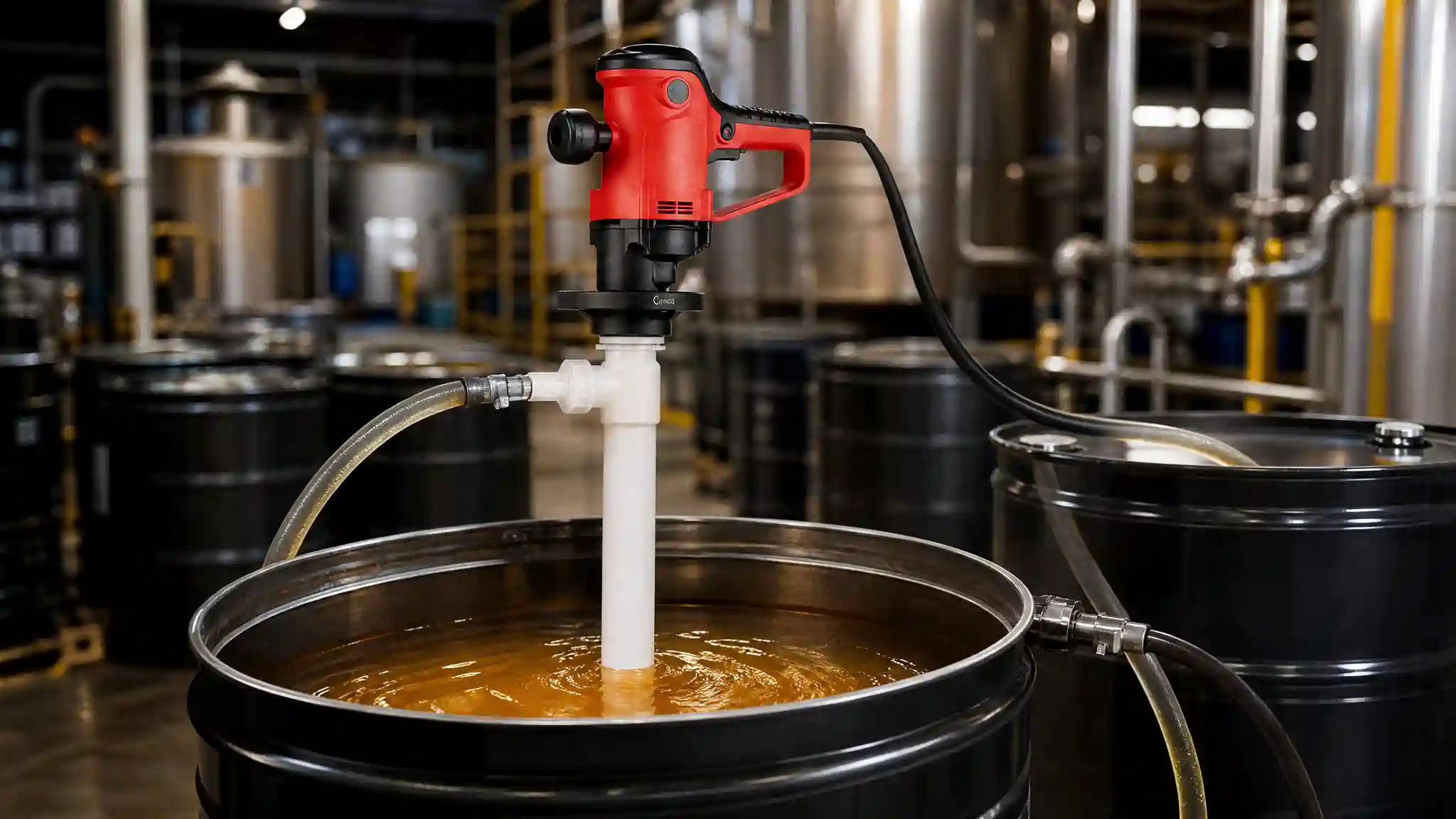
Try pouring cold gear oil from a drum on a winter morning. It crawls. Now do that for a full shift, into dozens of containers. Thick liquids fight back, and the wrong pump shows its weakness within days. A rotary gear pump is what many plants end up using for exactly this reason.
In this blog, we’ll look at how a gear pump for viscous liquid copes with heavy fluids, what changes its behaviour, and what you should sort out before the first transfer.
Ever watched cold hydraulic oil crawl out of a drum? That’s viscosity at work, and it’s why thick fluids give pumps a hard time. Take viscous industrial liquids like lube oil or resin. Pipes drag on them. Flow drops. The motor draws more current to hold the same output, and it gets warm doing it. Run like that for months and the bearings pay for it. Plants that regularly move high viscosity fluids often learn this the expensive way, after burning out a pump that was never meant for the job. Better to choose right the first time.
Most pumps lose ground as the liquid gets heavier. Gear pumps tend to do the opposite. Inside an Industrial Gear Pump, two meshing gears trap oil against the casing and carry it round to the discharge side.
Some oil always tries to slip back through the clearances. With water, plenty does. With heavy oil or resin, hardly any, so the pump keeps more of what it moves. That’s why you’ll often find gear units on lube lines where other designs gave up. The rule still applies, though. Keep pressure, speed and viscosity inside the rated range, or wear shows up early.
Every rotation of a positive displacement gear pump pushes out a set volume. That makes viscous fluid transfer easy to predict. Know the speed and you can estimate the output. Batches come out repeatable, and nobody has to keep adjusting valves.
Viscosity drifts. A drum left overnight in a cold godown behaves nothing like it does after lunch. Provided pressure and speed stay within the rating, Rotary Gear Pump Performance barely flinches through all that. A viscous liquid pump like this just keeps delivering, tank after tank.
Oil pours in May as water. Oil in January, and it’ll stay on spout. What liquid viscosity and temperature do to your line is that it fills that gap. When turning it on, the motor is strained, and when the outlet is on, you can only drizzle the thin one.
Place it in a warm place for a few hours and everything is better. When the oil transfer pump is located next to an outside oil tank or in a shed, that is not heated, use the coldest temperature of the year to select the pump.
Averages cover up the down days! The cost of a heating jacket or lagged pipe is trifling and it allows the motor to avoid a great deal of punishment.
It’s as though you’re dragging a wet sack when trying to push thick oil through a pipe. The more elbows, valves and extra metres added the worse it is and the motor bears all that weight from the first turn. Small motors trip, overheat or simply work too hard. The rotary gear pump motor is not a peripheral but should be looked at carefully. Selecting a high viscosity pump? Use the coldest, thickest day as a reference. Give your supplier 3 numbers: Peak viscosity, Line length and Target flow. They’ll leave you plenty of room. The tripped motor at 6 a.m. is much more expensive than a larger motor.
Switch-on is where cold oil hits hardest. It’s stiff, slow and heavy. Your motor torque for the gear pump needs to clear that first hurdle, not only the steady run afterward. A thick oil pump that is fine in July may labour in January. Plan for January.
Ten minutes of running is nothing like a ten-hour shift. For long runs, go for a heavy-duty rotary gear pump with a motor rated for continuous duty gear pump use. Check duty cycle and operating hours, not only litres per minute. Heat builds up quietly.
Plenty of plants lean on rotary designs. Here are thick fluids commonly handled with a Rotary Gear Pump For Oil and similar liquids, once compatibility has been confirmed:
Each of these behaves differently. Even a trusted lubricant transfer pump needs a compatibility check before it goes live.
Before you transfer anything, compare the rotary gear pump specifications with your real process. Good gear pump selection depends on honest numbers. Collect the viscosity range, operating temperature, inlet conditions, flow need, working pressure, motor rating and material compatibility. Do it for both the coldest and the hottest day.
A pump chosen for the average often lets you down at the extremes. Keep every check tied to the liquid itself. Skipping these usually costs more later than doing them now. Three of them cause the most trouble on site, so let’s look at those.
Data sheets love room temperature. Your plant probably isn’t. Find the viscosity at real running temperature, then compare it with the viscosity range for gear pump models the maker publishes. Less guesswork, less wear.
Thick fluids don’t like being pulled in. Keep rotary gear pump suction lines short and wide, with few bends, so viscous liquid transfer stays smooth. A starved inlet brings noise and wear.
Thicker liquid raises line pressure. Match your target rotary gear pump flow rate with the gear pump pressure that pipework, filters and lift height will really create. Flow alone shouldn’t drive the choice.
Not every job calls for one. Some clearly do. An industrial rotary gear pump built for harder work makes sense if you move thick oil often, run long hours, shift bulk volumes or deal with heavy mechanical loads.
Tank dispatch, lubricant filling lines and process feeds are typical cases. Another warning sign is a current pump that overheats, slows in winter or keeps coming back for repairs. A sturdier build with the right motor and materials cuts the stoppages. It’s really about matching the machine to the workload.
Good partners ask questions before quoting. When you approach Rotary Gear Pump Manufacturers, share these details so the team can recommend a suitable model instead of guessing:
Giza Pump works as a rotary gear pump supplier and rotary gear pump exporter, so clear details help domestic and overseas orders move faster. Share them with Giza Pump for a suitable recommendation.
Thick liquids aren’t hard to move once you’ve done the homework: viscosity, temperature, torque, flow and sizing. Get those five right and a rotary gear pump will transfer fluid steadily, shift after shift. Looking for a gear pump for viscous liquid application?
Send us your fluid details and we’ll suggest a suitable model. The rotary gear pump product page of Giza Pump is a good place to begin.
Here are quick answers to common questions about viscosity and operating conditions.
Often, yes. Thicker liquids slip less through internal clearances, so more fluid moves forward. Stay within rated pressure and viscosity limits, though, as a thick liquid pump has limits too.
Yes. Colder oil turns more viscous, which can raise startup load and reduce flow. Warm the fluid or size the motor for cold oil transfer conditions.
Usually, higher temperature lowers viscosity. The oil then flows more easily, which changes pumping resistance and flow behaviour. Always check oil viscosity and temperature data for your grade.
There is no single answer. Motor power depends on viscosity, flow, pressure and duty cycle. Share these details so the supplier can recommend the right rating.
Yes, suitable models commonly transfer lubricating and gear oils. Confirm that viscosity, material compatibility and operating temperature fall within the pump’s specification first.
Giza pumps are easy to use, quick to install, and designed to deliver reliable performance in everyday use.