Call us: +91-958-687-8283 Mail us: gizapumps@gmail.com


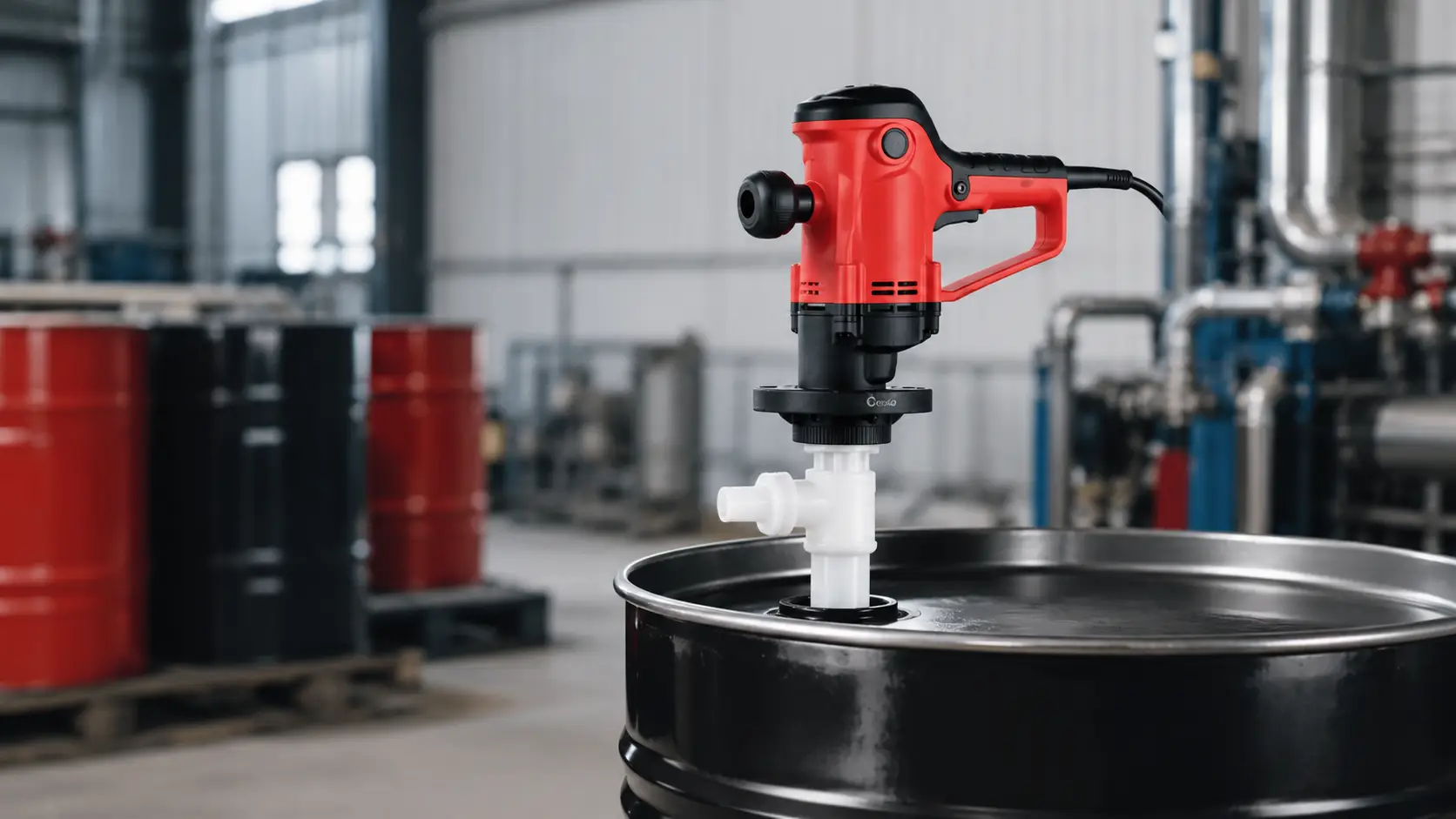
Nobody gets excited about buying a pump. Until the wrong one shows up, that is. Then suddenly it's leaks on the floor, a line sitting idle, and someone asking why nobody checked the spec sheet first. Every plant, workshop, and warehouse runs into this same question sooner or later. Which pump actually fits the job in front of you?
That's usually where a Rotary Gear Pump enters the picture. Not new, not flashy - but among the Industrial Pumps built for steady, leak-resistant fluid movement, it keeps showing up on shortlists. This piece walks through how it compares to the alternatives and how to pick with some confidence instead of guessing.
Strip away the marketing language and it's a fairly simple machine. A Rotary Gear Pump moves liquid with two gears meshing inside a snug housing. As they turn, fluid gets trapped between each tooth and the housing wall, dragged around, then forced out through the discharge port.
That's the Gear Pump Working Principle in short form. No valves banging away, no pulsing surges, just flow that stays fairly even. Because the gears fit so closely, slippage stays low - which is why thick, stubborn liquids don't slow it down much. Oil, resin, syrup, fuel - the mechanism barely notices the difference.
Not every pump does the same job well, even when they all get lumped together as Industrial Pumps on a supplier's website. Pick wrong, and it's not just efficiency you lose. Contamination, product loss, even genuine safety risk around corrosive or flammable liquids - that's what's on the line.
Force a Rotary Pump built for thick, oil-based fluid to handle something outside its range, and it'll struggle or fail outright. Get the selection right once, and the system runs quietly for years. Get it wrong, and maintenance becomes a monthly call.
|
TRIVIA: Gear-driven pump designs go back centuries - long before anyone was thinking about industrial fuel transfer. |
Gear pumps generally split into a few practical categories:
A spec sheet won't tell you everything. A few things matter more than the rest of the list combined:
Sourcing matters as much as specification. We're counted among the established Rotary Gear Pump Manufacturers In India, and our pumps are built around what actually happens on a factory floor, not just what looks good on a spec sheet.
The lineup covers the standard Rotary Gear Pump for general oil and fuel duty, plus a Stainless Steel Gear Pump for anything corrosive or chemically fussy. Tolerances between gear teeth and housing are kept tight on both, which keeps slippage down and output where it should be.
Got acids or solvents in the mix? That's where our standing among trusted Rotary Gear Pump Manufacturers actually counts - configurations built so repeated exposure doesn't chew through the parts.
|
DID YOU KNOW: Match the pump to the job right, and the gears barely wear - some run for years on nothing but routine checks. |
Some of the benefits are:
The same core strengths keep resurfacing across very different industries. A Rotary Gear Pump tends to turn up in places like:
Still torn between options? Here's a general side-by-side of how rotary gear pumps compare with the other pump types you'll typically run into:
| Pump Type | Where It Works Best | How Flow Behaves | Upkeep |
|---|---|---|---|
| Rotary Gear Pump | Thick oils, fuels, most chemicals | Steady and continuous | Fairly low |
| Centrifugal Pump | Thin, watery liquids | Strong flow but less consistent | Moderate |
| Diaphragm Pump | Abrasive or corrosive fluids | Comes in pulses | Needs more attention |
| Peristaltic Pump | Sensitive or hygienic liquids | Gentle, easy to control | Minimal |
|
FACT: Rotary gear pumps hold their flow steady no matter how thick the fluid gets - few designs manage that. |
Skip the cheapest option just because it's cheapest. What it'll actually carry matters more than what it costs upfront.
Swastik Enterprise Giza Pumps, a leading Manufacturer of industrial pumping solutions in India, was established in 1999 and possesses more than 27+ years of experience. The company specializes in manufacturing a high quality range of rotary barrel pumps, drum pumps and liquid transfer pumps that help industries move fluids smoothly, securely and efficiently. Made of durable construction, Giza Pumps provide years of reliable, leak free service. It serves chemical, automotive, manufacturing and oil handling industries. Emphasized on innovation, quality, customer satisfaction and durability, the company provides efficient energy and lasting pumping solutions to simplify the transfer process of industrial liquid.
Ans: Think of it this way - one's built for thick stuff, the other isn't. A Rotary Gear Pump keeps flow steady even with viscous liquids, no pulsing, thanks to the gears. Centrifugal versions are quicker with thin fluids but lose their edge once things get syrupy. Match the pump to what you're actually moving.
Ans: Not every version can, but a Stainless Steel Rotary Gear Pump certainly does. Regular cast iron won't hold up against acids or aggressive solvents for long. Go stainless if corrosion's a concern - it costs more upfront, sure, but you won't be replacing the pump every other year.
Ans: Two gears mesh inside a tight housing. As they turn, fluid gets trapped between each tooth and the housing wall, carried around, then pushed out through the discharge side. No valves, no pulsing. Just steady, continuous flow - which is exactly why it suits thick, sluggish liquids so well.
Ans: Depends on your volume, really. For small, occasional transfers, manual works fine. Once fuel or oil moves regularly, or in bigger quantities though, an Electric Gear Pump just makes more sense - nobody's arm gets tired, and the output stays consistent for as long as the job runs.
Ans: More than you'd guess. Workshops and fleet yards use them for fuel, manufacturing units for oil, chemical plants for solvents - even pharma and food-adjacent facilities where hygiene-grade materials matter. If a liquid's thick or sensitive and needs moving without leaks, chances are this pump's already there.
Ans: Ask yourself this - are you moving thick lubricants, resins, or bulk fuel at scale? A regular pump wearing out fast or straining under the load usually means you've outgrown it. That's the whole point of a Heavy Duty Gear Pump - built specifically for high-viscosity, high-pressure work others can't take.
There's no universal "best" pump. Only the one that fits your fluid, your volume, and the conditions it'll run in. For viscous, oil-based, or chemically demanding work, a Rotary Gear Pump keeps proving itself where other designs struggle. The rest - centrifugal, diaphragm, peristaltic - they all do fine work too. Just not this particular job, most likely.
So if you're stuck deciding, start with the fluid, not the price tag. Everything downstream runs a lot smoother once that part's settled.
Not sure which pump fits your fluid and volume? Get In Touch With Giza Pumps and we'll help you match the right industrial gear pump to your exact application. |
Giza pumps are easy to use, quick to install, and designed to deliver reliable performance in everyday use.